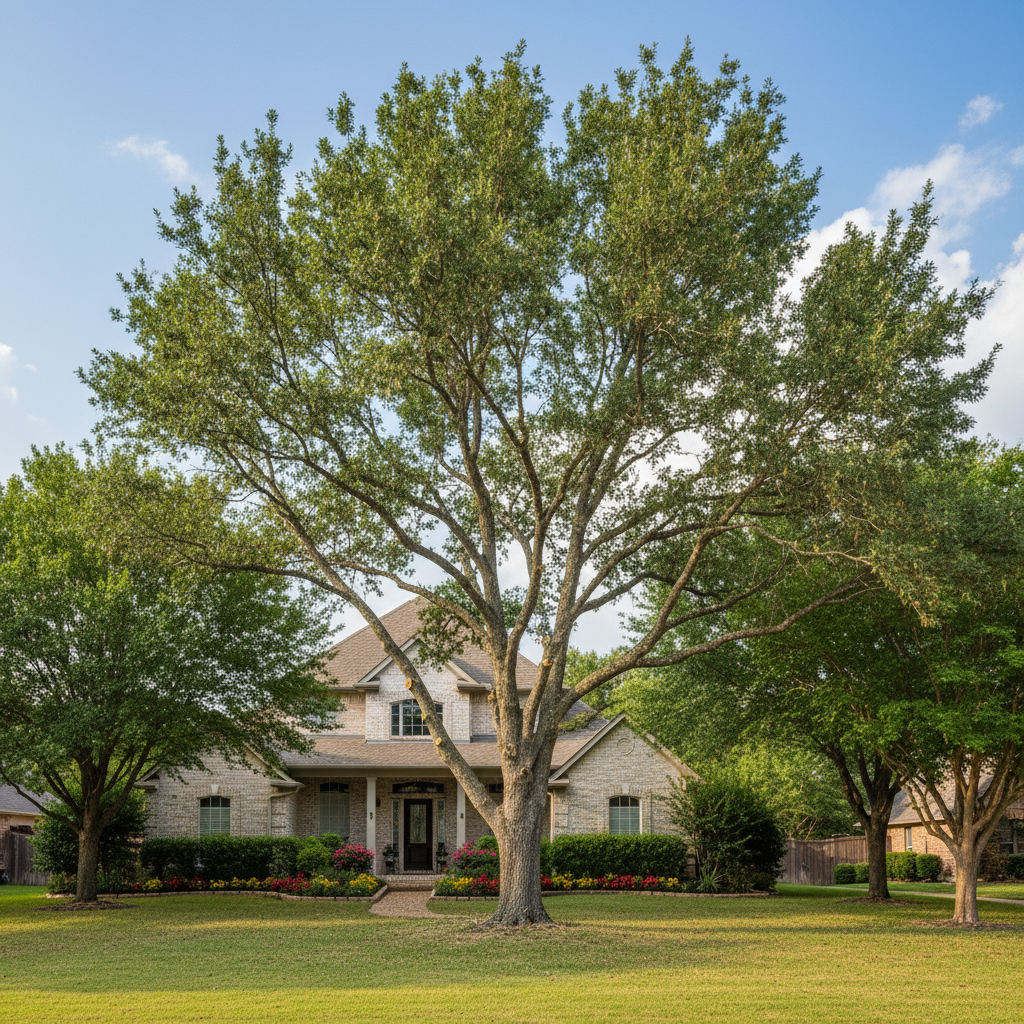
When's the right time to trim your trees here in La Vernia? That's a question I get asked a lot, and it's a good one. It's not just about getting rid of dead branches; proper timing makes a huge difference for the health of your trees and the safety of your property. You're investing in your home's landscape, and I want to make sure you're doing it smart.
Understanding La Vernia's Seasons & Your Trees
Our climate here in La Vernia is pretty unique. We get those hot, dry summers, and then sometimes we're hit with a surprise freeze. These conditions really impact when and how you should trim your trees. You wouldn't prune a delicate crape myrtle the same way you'd tackle a sturdy oak, and you certainly wouldn't do it at the same time of year.
Generally speaking, the dormant season is your best bet for most major tree trimming. That means late fall through late winter, after the leaves have dropped and before new growth starts in the spring. Why then? Well, when a tree is dormant, it's not actively growing, so it's under less stress when you make cuts. It also reduces the risk of insect infestation and disease, because those pests aren't as active. Plus, without all the leaves, it's easier for me and my crew to see the tree's structure and identify any problem branches.
- Deciduous Trees (like Oaks, Elms, Pecans): Definitely aim for dormancy. Trimming these guys in the summer can stress them out, especially with our intense heat, and can even encourage unwanted growth that's weaker.
- Evergreen Trees (like Junipers, Magnolias): These are a bit more flexible. You can often trim evergreens any time of year for minor shaping, but for heavier pruning, I still lean towards late winter or early spring before the big growth spurt.
- Flowering Trees (like Crape Myrtles, Redbuds): Timing here depends on when they bloom. If they bloom on old wood (last year's growth), prune them right after they finish flowering. If they bloom on new wood (this year's growth), prune them in late winter or early spring.
Weather Conditions & Tree Work
You might think, 'It's just trimming, what's the big deal about the weather?' But trust me, it's a huge deal for safety and for the tree. I won't send my crew up into a tree during a thunderstorm, or when it's super windy. High winds make it incredibly dangerous for the guys on the ropes and for anyone on the ground. Plus, it makes it harder to control where branches fall, which could damage your home or property.
Extreme heat can also be tough. While we do work in the summer, we're extra careful, taking more breaks and staying hydrated. The main thing is, if the weather's looking iffy, we'll reschedule. Your safety and my crew's safety come first, always. And for the tree, trimming during a severe drought, for example, can add unnecessary stress. We always consider the overall health of the tree and the current environmental conditions before starting a job.
Protecting Your Tree Investment Year-Round
Trimming isn't a one-and-done deal. It's part of a bigger picture of tree care that protects your investment. Think about it: a well-maintained tree adds value to your property, provides shade, and looks great. A neglected one can become a hazard.
Here's what you should be looking out for, even between professional trims:
- Dead or Dying Branches: These are a hazard. They can fall unexpectedly, especially during our strong La Vernia winds. Get 'em removed.
- Crossing or Rubbing Branches: When branches rub together, they create open wounds, which are an invitation for pests and diseases.
- Weak Crotches or V-shaped Unions: These are prone to splitting, especially in older trees or during storms. Sometimes cabling or bracing can help, but often pruning is needed to alleviate the stress.
- Clearance: Make sure branches aren't growing into your house, power lines, or blocking pathways. This is a common issue, especially with those fast-growing Live Oaks we've got all over the place.
Regular inspections are key. Just take a walk around your yard every few months and really look at your trees. If something looks off – discolored leaves, strange growths, or excessive leaf drop – it's worth getting it checked out. Sometimes, a small issue caught early can prevent a much bigger, more expensive problem down the road.
At Allgreen Tree, we're not just about cutting branches; we're about helping you maintain healthy, beautiful, and safe trees for years to come. If you've got questions about your specific trees or when they need attention, just give us a call. We're here to help our La Vernia neighbors keep their properties looking good and staying safe.