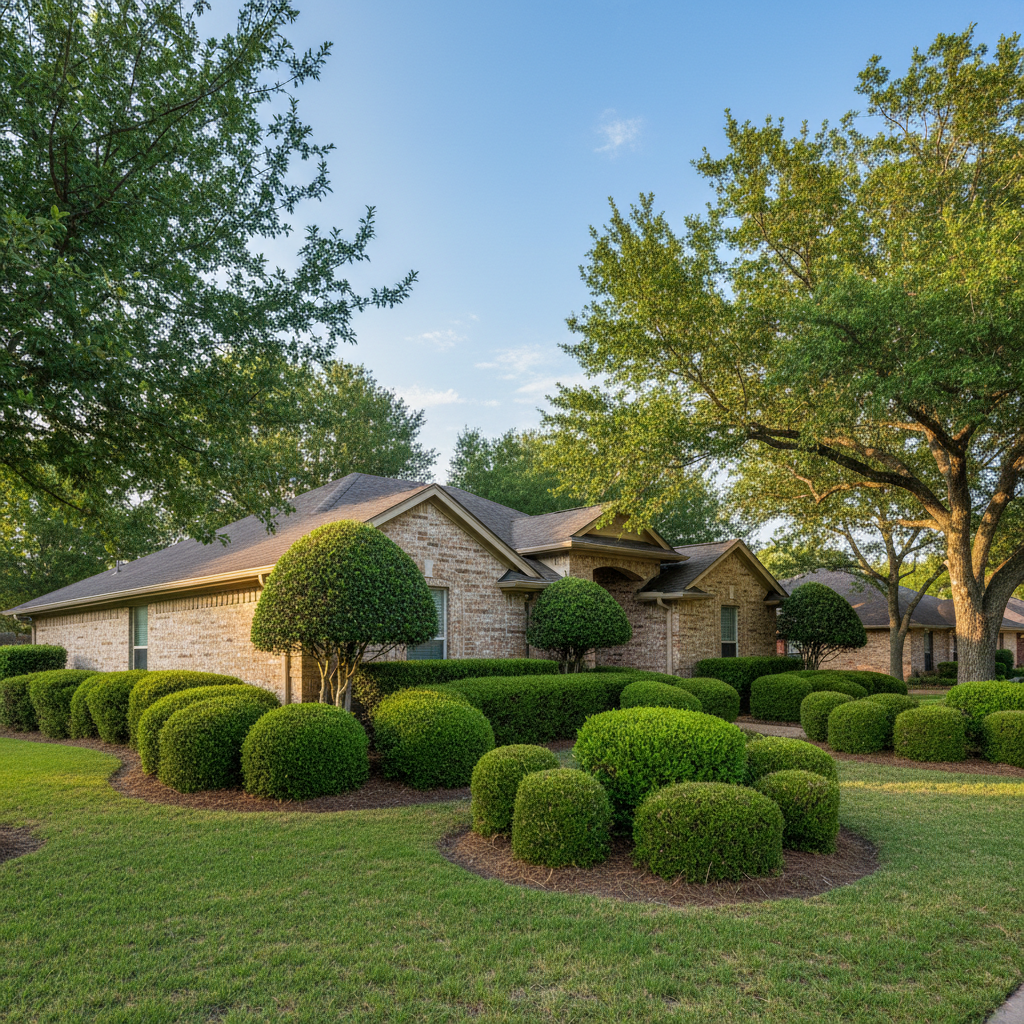
Got some shrubs and bushes on your property looking a little wild? Maybe they're blocking a window, scraping the house, or just generally making things look, well, a bit messy. Getting them trimmed up isn't just about curb appeal; it's also about keeping your plants healthy and your property safe. As someone who's been doing this work around La Vernia for years, I've seen all sorts of projects, big and small. Let's talk about how to plan yours so it goes smoothly.
Timing Your Trimming Project
When's the best time to trim? That's probably the most common question I get. For most shrubs and bushes here in La Vernia, especially the ones that flower, timing is pretty important. If you trim at the wrong time, you could cut off all the flower buds for the next season. And honestly, nobody wants that.
Generally speaking, for most evergreen shrubs and non-flowering bushes, you can trim them any time from late winter to early summer. You really want to avoid trimming too late in the fall, because any new growth might not harden off before our occasional freezes hit. That can really damage the plant. For flowering shrubs, it really depends on when they bloom, which makes sense, right?
- Spring Bloomers (like Azaleas, Forsythia): Trim these right after they finish flowering, usually in late spring or early summer. If you cut them before they bloom, you'll lose all those beautiful flowers.
- Summer Bloomers (like Crape Myrtles, Hydrangeas): You can usually prune these in late winter or early spring, before new growth even starts. They'll flower on new wood.
- Evergreens (like Boxwoods, Junipers): These are pretty forgiving. You can usually give them a light trim anytime from late winter through early fall just to maintain their shape. Just try to avoid heavy pruning in late fall.
The main thing to remember? Don't just grab the shears whenever the mood strikes. A little planning goes a long way to keeping your plants healthy and looking their best. If you're unsure about a specific plant, a quick call to a local pro like Allgreen Tree can clear things right up.
What to Expect During the Trimming Process
Once you've got a date set with a contractor, what's going to happen? Well, first off, we'll show up with the right gear. That means sharp trimmers, hedge shears, loppers, and sometimes even a chainsaw for those thicker branches. Safety is always a big deal, so you'll see us wearing eye protection, gloves, and often ear protection.
We'll start by assessing each plant. We're looking for dead or diseased branches, crossing branches, and anything that's growing in a way that's bad for the plant's overall health or structure. Then, we'll get to work shaping them. This isn't just about hacking away; it's about understanding the plant's natural form and encouraging healthy growth. It's an art, really.
You'll see us making clean cuts. That's important for the plant's health because ragged cuts can invite disease. We'll also be mindful of the overall aesthetic, making sure your shrubs complement your home and landscape, not overpower it. Depending on the size of your property and the number of plants, this could take anywhere from a few hours to a full day or even more. Once we're done, we'll clean up all the trimmings. You shouldn't have to worry about a mess being left behind.
How to Prepare Your Property
You can make the job easier and quicker for everyone involved with a little prep work. It's not much, but it helps a lot.
- Clear the area: Move any lawn furniture, garden decor, kids' toys, or anything else that might be near the shrubs. This gives us clear access and prevents anything from getting damaged.
- Mark anything hidden: If you have low-voltage lighting wires, irrigation lines, or anything else buried shallowly near the shrubs, please let us know. Better yet, mark them with flags so we don't accidentally nick anything.
- Water your plants: Giving your shrubs a good drink a day or two before the trimming can help reduce stress on them.
- Point out specific concerns: Walk around with the crew leader before they start. Show them any specific branches you're worried about, areas you want thinned, or shapes you're trying to achieve. Communication is key, after all.
- Keep pets inside: For the safety of your furry friends and our crew, please keep pets indoors or securely leashed away from the work area.
It's all about making sure we can do our job efficiently and safely, and you get the results you're looking for.
Questions to Ask Before Signing a Contract
Before you commit to a contractor, you need to ask some questions. Don't be shy; it's your property and your money. A good contractor won't mind answering them.
- Are you licensed and insured? This is non-negotiable. You want to make sure they have general liability insurance in case of accidents and workers' comp if they have employees. If they don't, you could be on the hook if someone gets hurt or something gets damaged.
- What's included in the price? Does it cover just the trimming, or does it include hauling away all the debris? Most reputable companies, like Allgreen Tree, will include debris removal, but always confirm.
- How will you protect my property? Ask if they'll be using tarps to protect your lawn or flower beds from falling debris, especially if they're working near delicate plants or structures.
- What's your approach to pruning? You want to hear that they understand proper pruning techniques, not just that they'll